Professional Services
We specialize in all aspects of water treatment.
Water Treatment
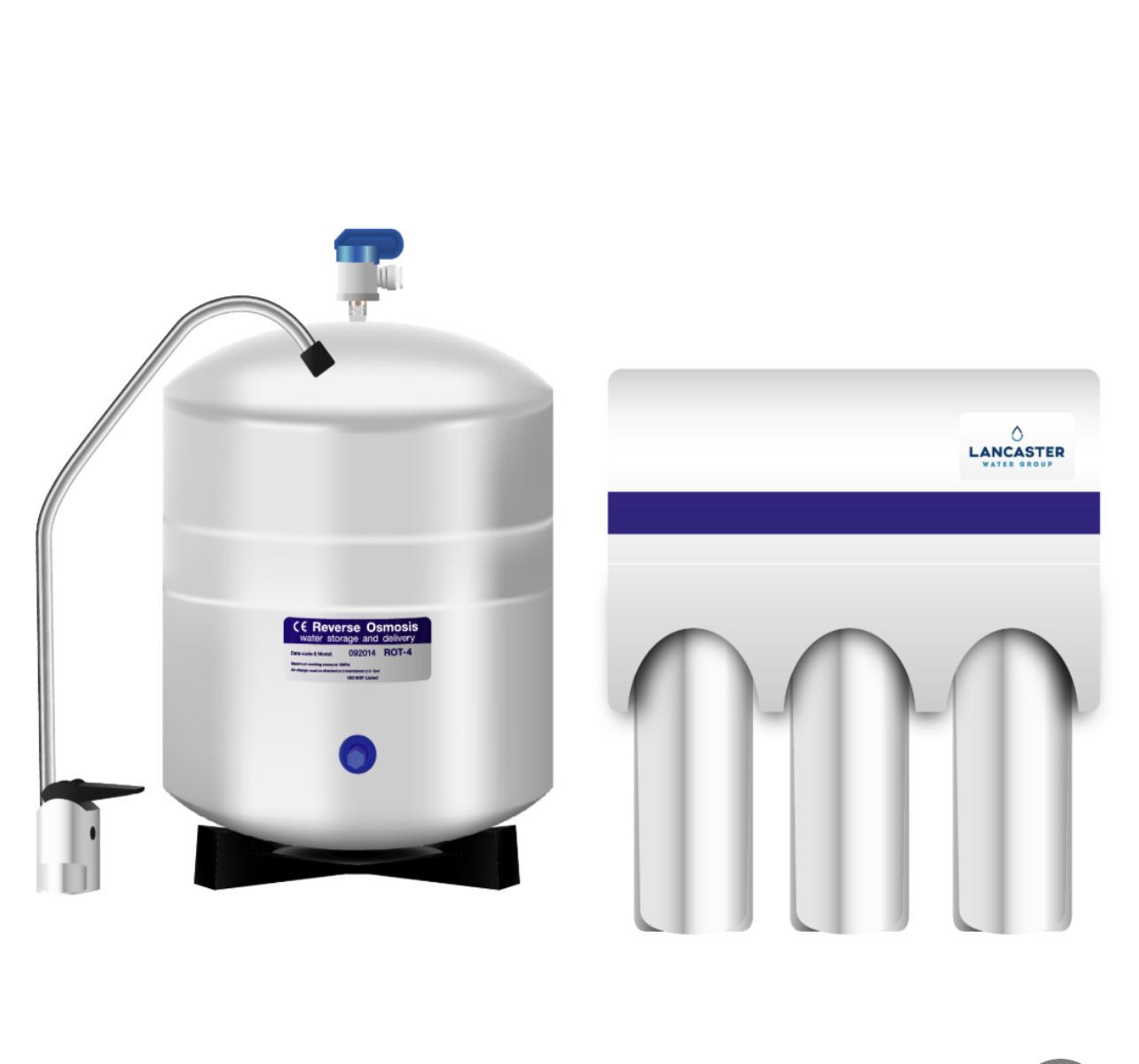
Water treatment encompasses a variety of processes aimed at improving water quality to make it more acceptable for a specific end-use. These end-uses may include drinking, industrial water supply, irrigation, river flow maintenance, water recreation, and many others, with the goal being to return treated water to the environment without adverse ecological impact. The treatment process may involve physical, chemical, or biological methods to remove contaminants. Physical processes include sedimentation and filtration, chemical treatment involves disinfection and coagulation, and biological treatments target the reduction of organic matter and nutrients.
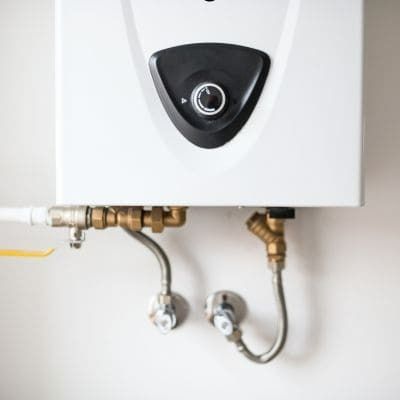
Water Heaters
Water heaters are essential home appliances that provide a continuous supply of hot water for various domestic activities such as bathing, cooking, cleaning, and heating spaces. They operate by heating water stored in a tank or by instantly heating water on demand, depending on the type. The most common types include storage tank water heaters, tankless (on-demand) water heaters, heat pump water heaters, and solar water heaters. Each type uses different energy sources like natural gas, electricity, propane, or solar power to heat water. The choice of a water heater depends on factors such as the size of the household, water usage habits, energy efficiency preferences, and available energy sources.
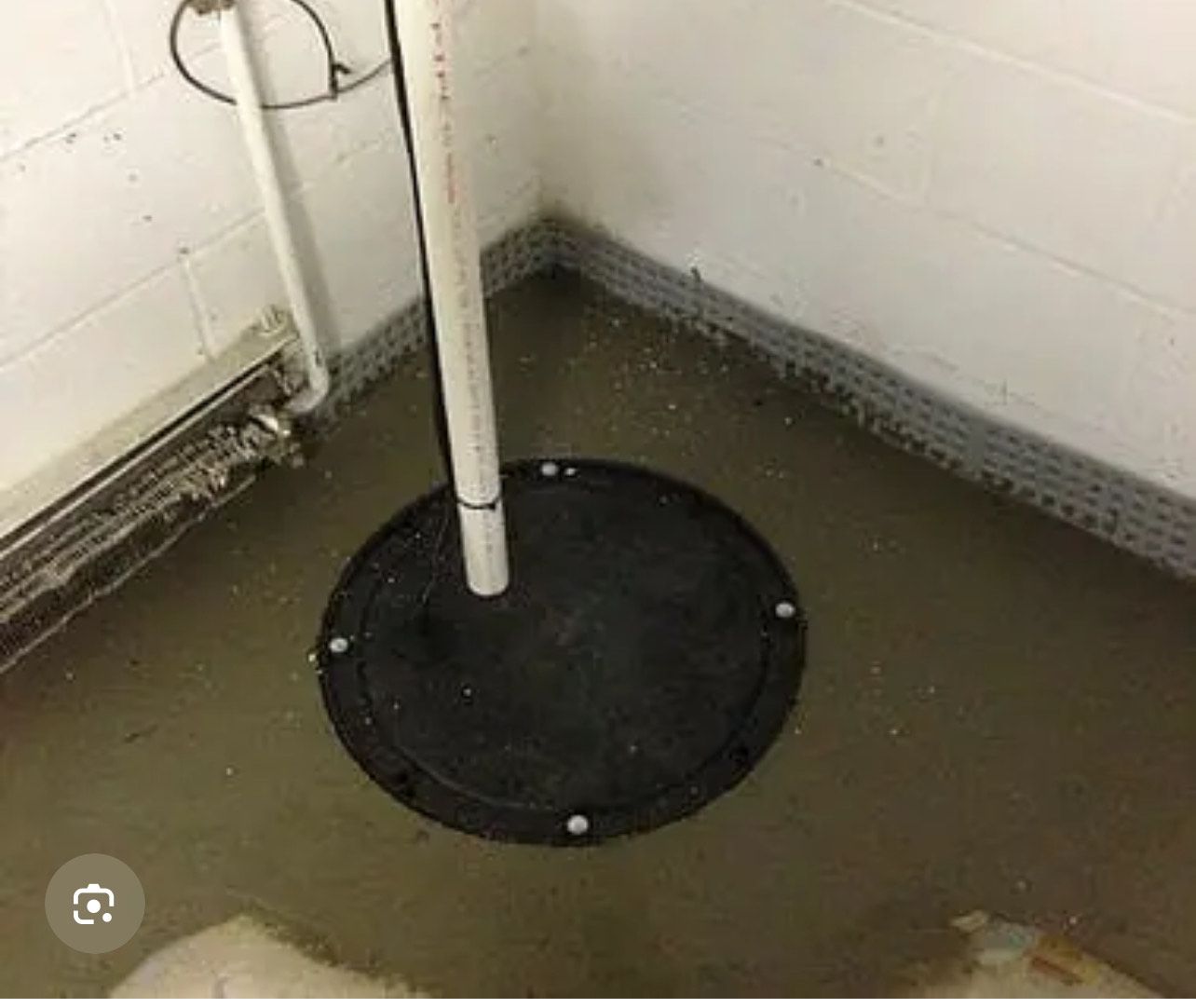
Sump Pumps
A sump pump is a pivotal device installed in the lowest part of a home, typically in the basement or crawl space. Its primary function is to help keep the area under the building dry and to prevent it from floodwater damage. It works by collecting excess water that has made its way into the sump basin, either through drains or natural water migration through the soil, and then pumping it away from the house to a place where it can drain safely away, such as a storm drain or a dry well. Sump pumps are essential in areas prone to flooding or for homes built in a manner that water tends to accumulate in the basement.
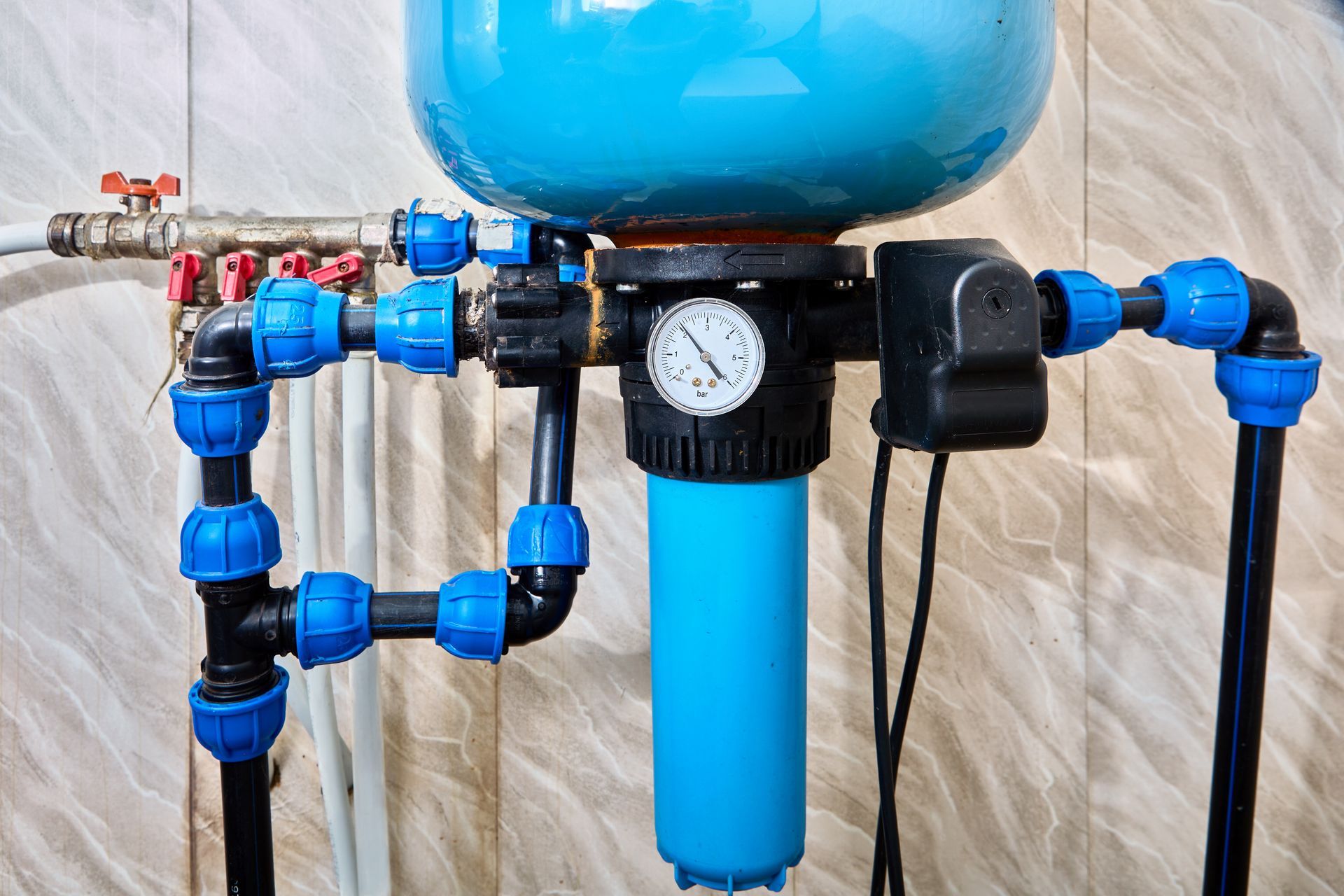
Pressure Tank
A pressure tank is a critical component in a well water system, acting as a reservoir for pressurized water. It ensures a steady water flow and maintains consistent water pressure throughout a home or building. The tank is designed to keep the water pressure at a stable level, reducing the need for the pump to cycle on and off frequently, which can lead to wear and tear. Inside, it has a pre-pressurized air bladder or diaphragm that compresses as water is pumped in, creating the necessary pressure to move water. This mechanism is vital for the efficient operation of a well system, contributing to the longevity of the pump and reducing energy consumption.
Booster Pumps
Booster pumps are mechanical devices designed to increase the pressure of water flowing through a system. They are essential in situations where the existing water pressure is insufficient to meet demand. By enhancing the pressure, booster pumps ensure a consistent water flow, making them vital in residential, commercial, and industrial settings. These pumps can boost water pressure for a variety of applications, including irrigation, water supply systems, and in buildings where the height or distance causes a natural drop in water pressure. The functionality of booster pumps lies in their ability to take in water at a given pressure and elevate it to a higher pressure, enabling efficient water delivery across different parts of a system.
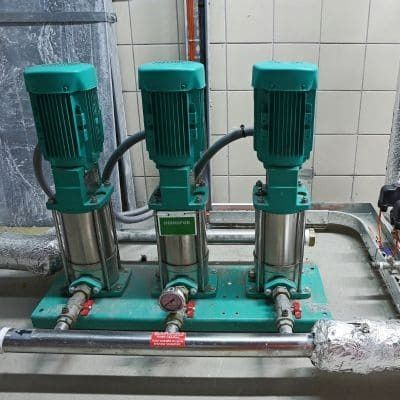
Sewage Ejection Pumps
Sewage ejection pumps are essential components in certain plumbing systems, designed to move sewage from lower to higher elevation when gravity flow is not possible. Typically installed in a sump basin, these pumps activate when wastewater in the basin reaches a certain level, efficiently pumping the sewage through the discharge line to the main sewer or septic line. This system is crucial in homes with bathrooms, laundry rooms, or any plumbing fixtures below the main sewer line, ensuring that waste is effectively removed from the property.
Garbage Disposal
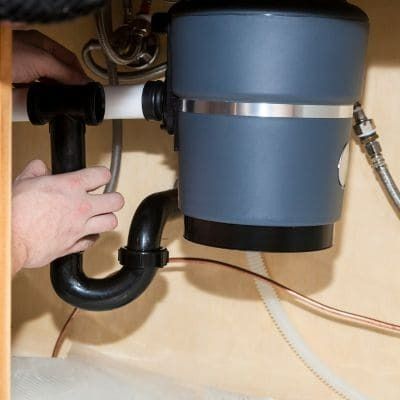
Garbage disposal is a critical home service involving the installation, maintenance, or repair of an electrically powered device under the kitchen sink. This device shreds food waste into pieces small enough—usually less than 2 mm—to pass through plumbing. It's a modern kitchen convenience that ensures waste is efficiently managed, reducing the risk of clogs and odors in the kitchen sink. Properly functioning garbage disposals contribute to minimizing kitchen waste, potentially lowering the amount of trash headed to landfills, thus playing a small but significant role in a household's environmental impact.
Leak Repair
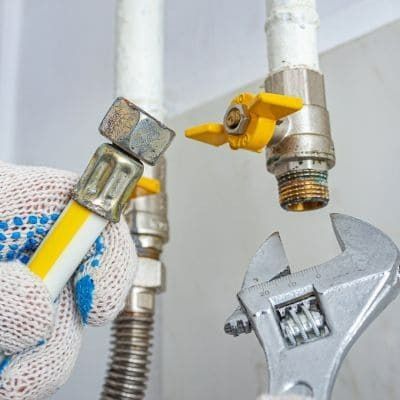
Leak repair is a critical service aimed at addressing and fixing any unwanted flow of water, gas, or other substances through a breach or a hole in a system. This service encompasses a wide range of activities, from identifying the source of leaks in pipes, roofs, and walls, to sealing them using appropriate methods and materials. Professionals in this field utilize a variety of tools and technologies to detect leaks, even those that are not visible to the naked eye, ensuring a comprehensive solution that prevents further damage and conserves resources.
Faucets
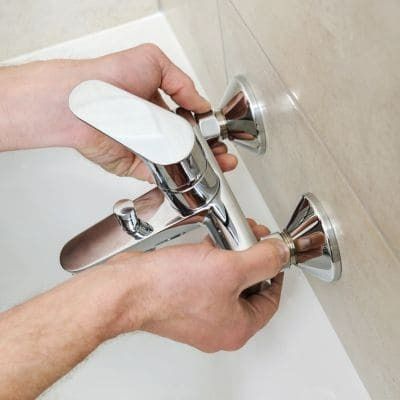
Faucets are fixtures that control the flow of water from a plumbing system. They are essential components in kitchens, bathrooms, and utility rooms, providing access to hot and cold water for a variety of uses. Modern faucets come in numerous designs and functionalities, including single-handle, double-handle, touchless, and smart faucets with temperature and flow control. The right faucet not only serves a practical purpose but also complements the style and decor of the space.
Toilets
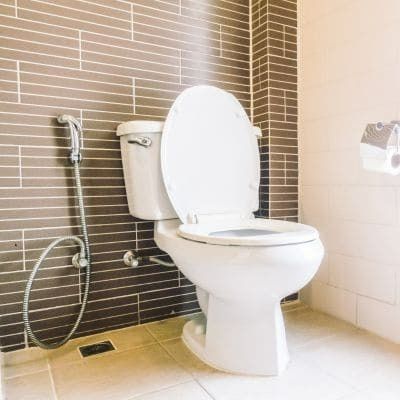
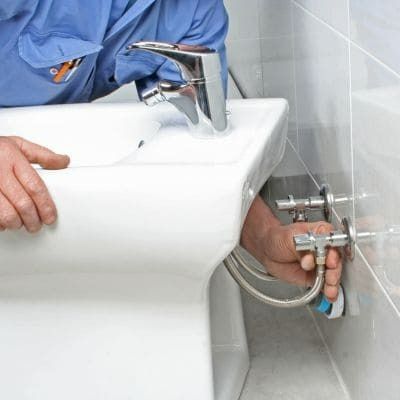
Toilet services encompass a range of activities focused on the installation, repair, maintenance, and replacement of toilets within residential or commercial properties. This service is crucial for ensuring the functionality and hygiene of one of the most essential fixtures in any building. Professionals in this field are skilled in addressing a variety of toilet-related issues, including clogs, leaks, running water, and inefficient flushing. They can also advise on upgrading to modern, water-efficient models that can save money and reduce environmental impact over time.
Outside Faucet
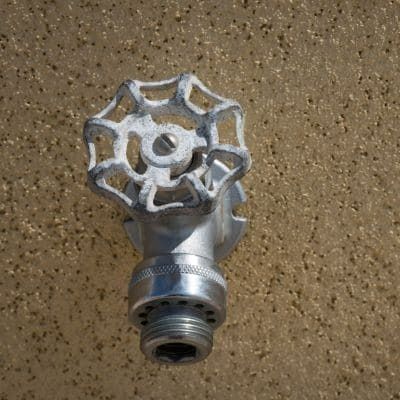
An Outside Faucet, often referred to as a spigot, hose bib, garden tap, or outdoor faucet, is a valve that controls the release of water outside a house or building. This specialized plumbing fixture is typically mounted on the exterior of a property and is used to connect hoses for various outdoor water needs, including gardening, lawn care, car washing, and filling swimming pools. Unlike indoor faucets, outside faucets are designed to withstand harsh weather conditions and may include features such as freeze-proof technology to prevent water from freezing inside the pipe, which can lead to bursting pipes in colder climates.
Kitchen Drain Blockage
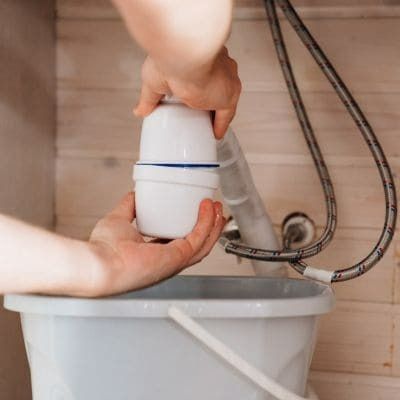
Kitchen Drain Blockage service involves the professional clearing and cleaning of kitchen sink drains, which often become clogged due to the accumulation of grease, food particles, and soap scum. This service is not just about unclogging the drain; it also includes diagnosing the underlying issues causing the blockage, which may involve inspecting the pipes for damage or buildup and employing various methods such as snaking, hydro jetting, or even pipe repair or replacement, depending on the severity of the blockage.